


A Guiding Principle For Selling More Software
Sell more software in one easy step: personalize every headline. Sales presentations, emails, cold calls, they should all represent your prospect's...
2 min read
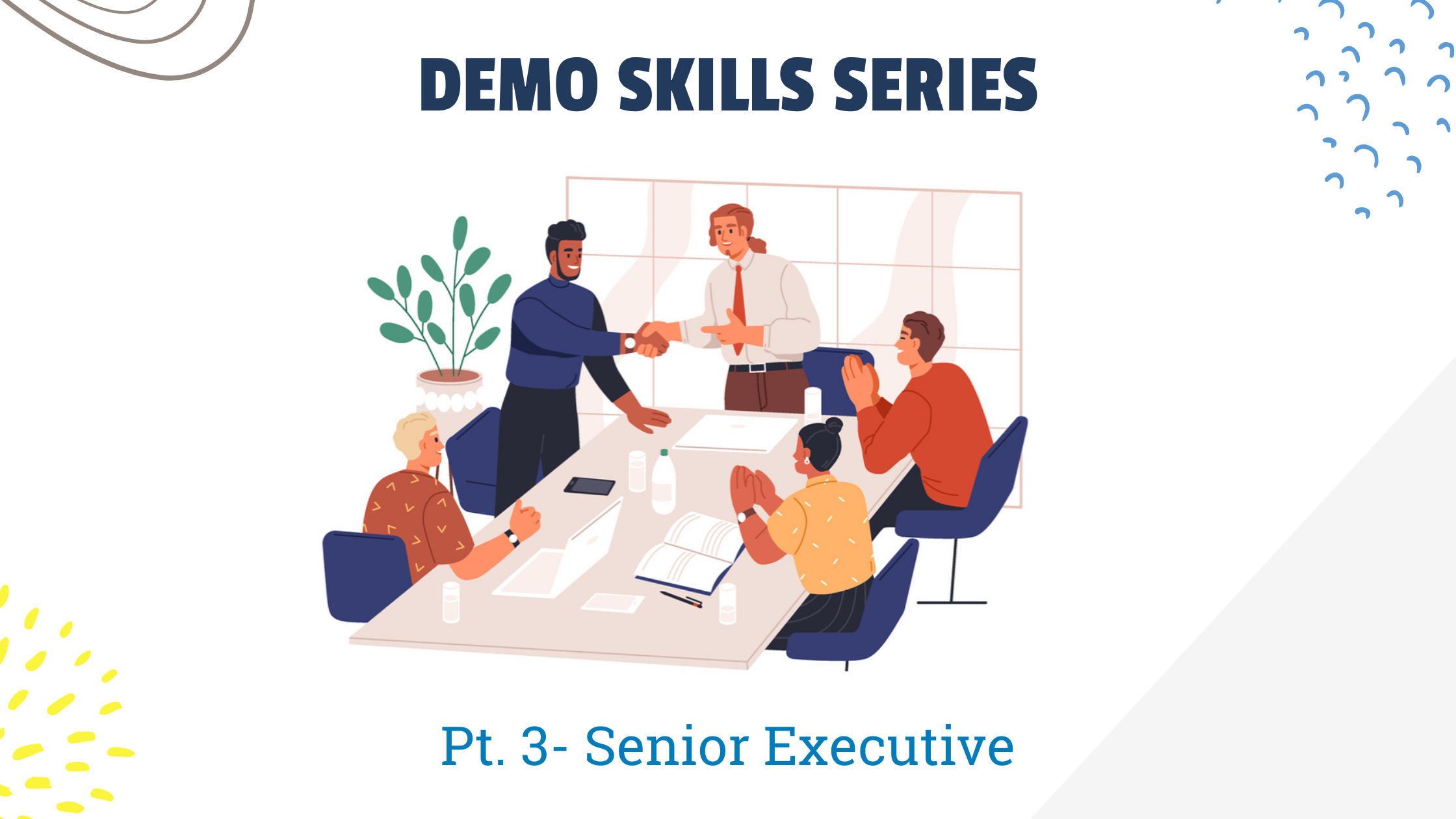
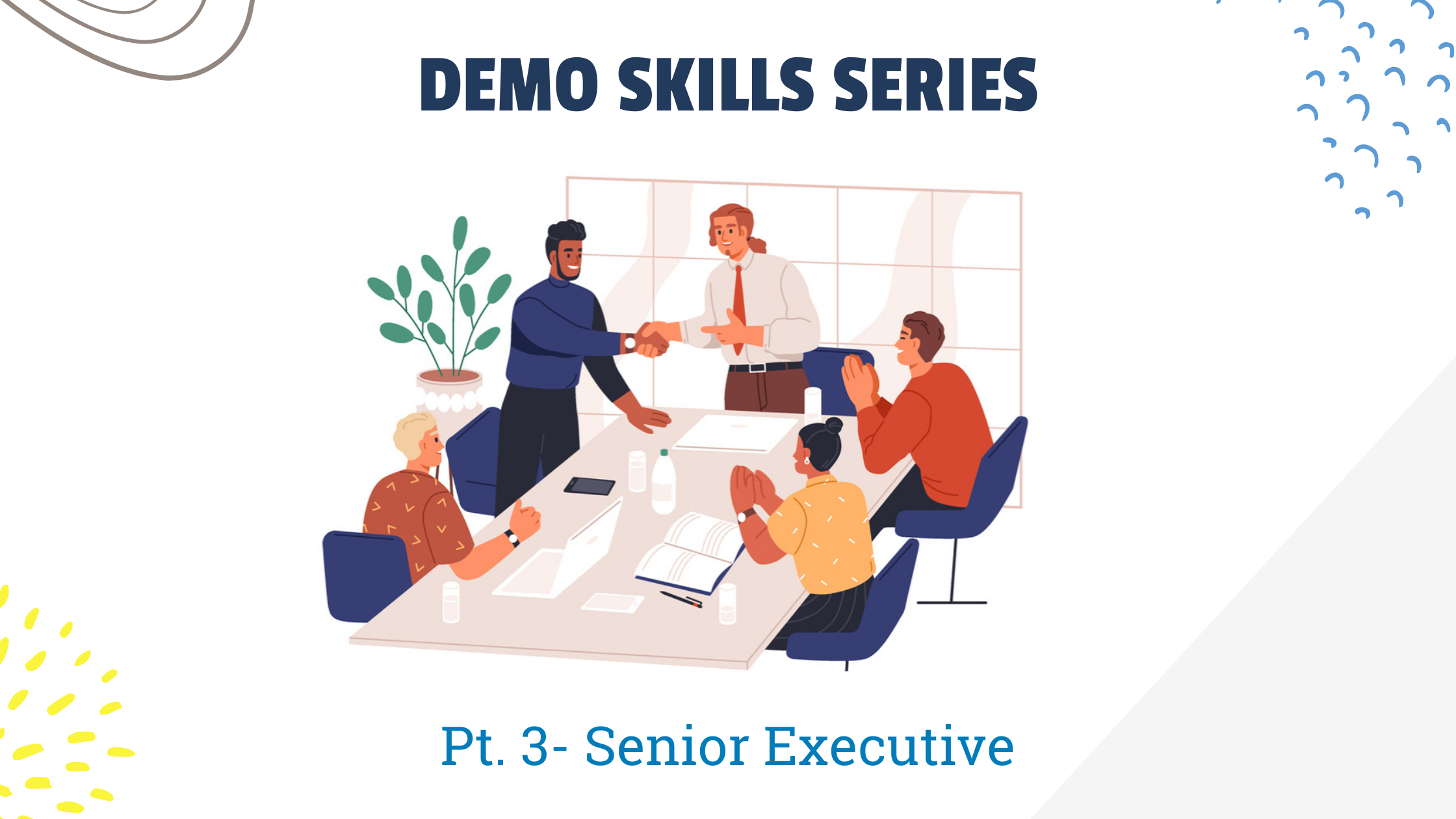
In the first two articles, I discussed the importance of being conversational and interpersonal in a demo or presentation with operational staff and middle management. In this installment, I’ll discuss how you engage a senior executive in a demo.
The thought of sitting through a two-hour demo to most senior executives is attuned to visiting the dentist. They know they need to be there but, there are ten other things they’d rather be doing. In their mind, the team has to decide if the software will work for their needs. In their mind, they are saying, “I’ll just make an appearance to show support for the project”.
In this first scenario, the senior executive makes her appearance at the start of the demo. Everyone including her is in their seats and the salesperson begins the session. “I want to thank everyone for coming today. We know how busy you are and we really appreciate your time”. (Boring). “I’d like to start the demo with a quick overview of who we are. This will only take about 10 minutes.” (Oh great, another corporate overview.) “But first, let’s start with introductions...”
For a senior executive, this is an abyss. Starting a demo like this when they are in the room only serves to reinforce their reticence to be here in the first place. If you have the senior executive in the room at the start of the demo, the salesperson should begin the session with the value proposition and the insights that lead you to that value proposition. Direct much of your attention to the senior executive while also making eye contact with every other individual in the room.
Above all, make sure the salesperson is conversational as they discuss the value proposition and the insights that are relevant to the senior executive. Once those have been presented, have the demonstrator show something that supports your insights and is directed at the senior executive. Using this formula will create competitive differentiation that has nothing to do with software capabilities.
Unfortunately, senior executives are rarely that linear. Rather than being on time at the beginning of the demo, Karen will often enter the room during the course of the demo. If that happens, stop the demo! Recognize Karen after she sits down, look at her and try this. “Karen, thanks for joining us. In the event that you were able to attend, we prepared a special section of the demo just for you. It will only take 5 minutes.” The rest of the people in the room will be fine with this! Karen might say “No, don’t let me interrupt. Please continue with what you were doing.” If that happens, take control. Say something like this. “I’m sure it’s ok with everyone else in the room if we pause the demo while we address Karen’s interests. Is the group ok with this?” What are they going to say? Of course, they’ll be ok with the pause!
At this point, you proceed with your value proposition, insights, and a demo segment that Karen will connect with. You direct 80% of your attention on Karen while maintaining contact with the rest of the room. You are conversational in your approach as you create massive distance between you and your competition.

Sell more software in one easy step: personalize every headline. Sales presentations, emails, cold calls, they should all represent your prospect's...
How to gain middle management's trust while demoing your solution. Best practices for delivering key benefits to middle management.
Demoing to large groups can be daunting but it doesn't have to be. Learn how to section your demo to fit the needs of every member of the audience.